6.3 million properties in England are at risk of flooding from one or a combination of sources: rivers, the sea, and surface water with many others susceptible to various sources of flooding. With extreme weather becoming more frequent due to climate change, this number is set to increase to around 8 million (that’s equivalent to 1 in 4 properties across England) by the mid-century! Therefore, it has never been more important for property buyers to check and consider flood risk.
Buying Property in a Flood Risk Area: Things to Consider
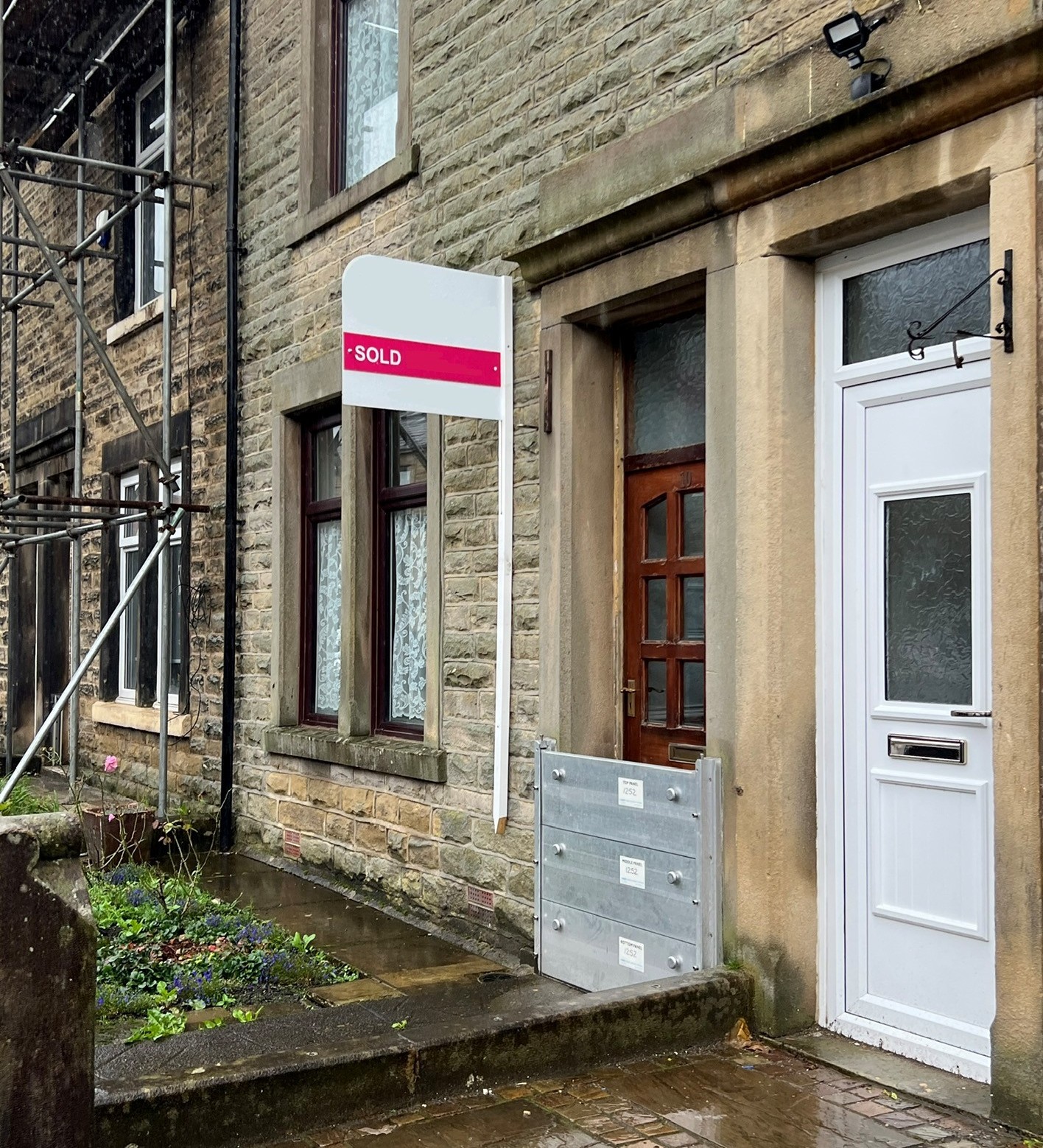
Image: The Flood Hub People
Understanding flood risk: Return periods like ‘1 in 30’ or ‘1 in 100’ are used to describe how often a flood event of a certain magnitude are estimated to re-occur. However, expressing risk in such a way can mislead the public into thinking that “this won’t happen again for another 29 / 99 years”, which isn’t the case. Our ‘Understanding Flood Risk’ blog, found here, is a good place to start in understanding how flood risk is calculated and what each level of risk means. It helps put flood risk into a little more context, especially useful if you’re buying property. It is your decision as to what level of risk would be acceptable, or not, and whether this property is a short-term, or long-term stay, it is important to be as informed as possible.
How to check the long-term flood risk of a property: Flood risk isn’t static and can change over time. If you’ve found a property you’re interested in buying, you can check its flood risk online here. This will provide a risk-band rating of either very low, low, medium, or high for the current surface water risk and flood risk from rivers and the sea.
Where available, you can also view the predicted risk level between the years 2040-2060 and 2036-2069 respectively. You can also view a colour-coded flood risk map of the surrounding area too. It is worth noting that these are modelled projections and future risk may be less than or greater than indicated on the current projection maps, flood risk is, however expected to increase across the UK.
Requesting a flood risk report: A detailed flood risk assessment and report can be obtained as part of the conveyancing process and searches, or undertaken separately by a flood risk specialist. If you’d like information about any historic flood events, it is worth contacting the Lead Local Flood Authority (LLFA) who may be able to provide details of previous events. Alternatively, you can request a Flood History Report from the Environment Agency. This can be obtained by emailing [email protected] with the full address of the property or area you’d like a report for. However, it is worth noting that the Environment Agency does not have flood records for all areas or properties, and there can sometimes be a fee for the report.
Research Local Flood Risk Management Schemes: Many communities benefit from a Flood Risk Management Scheme which can significantly manage flood risk. Whether a community is receiving a flood risk management scheme, or if there is a proposed scheme in place, this can give indication towards that location’s flood risk and future flood risk. Flood schemes can involve building flood walls, installing rock bags or a series of natural flood management techniques. You can search through a list of some of the proposed, in progress and completed schemes across the North West here.
Familiarise yourself with local knowledge: Local knowledge can come from community members, shop keepers, news boards or social media forums and can provide information on previous flood events, whether a major storm or recurrent surface water flooding. Additionally, a clue may be found in the street or house name. Names like Riverside Close, Spring Street or Marsh Drive could indicate the property’s proximity to a watercourse or suggest what the land was previously used for.
Insurance for property buyers: It is important to understand that insurance is risk reflective; if future flood risk increases, then future insurance implications may also change. The Flood Re insurance scheme enables householders in flood risk areas to purchase affordable flood insurance, however the scheme is only due to run until 2039. You can find more about householder insurance options here.
To summarise, the decision of buying a property lies with the buyer, however you should ensure you are well equipped in understanding flood risk, which when combined with the advice of solicitors and estate agents, should enable you to be as informed as possible.