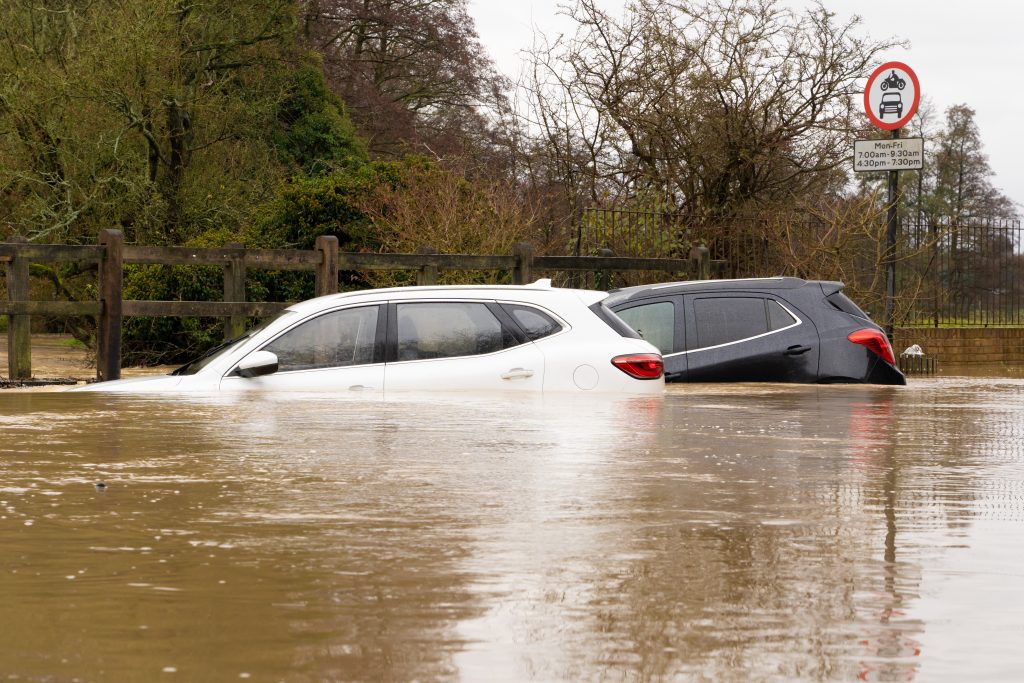
Residual risk means that even where defences exist, flooding can still occur if:
- An event is larger than the scheme was designed for
- Defences are overtopped or breached
- A different type of flooding (such as surface water flooding) occurs
Water cannot simply be stopped; it has to move through the landscape. In some cases, reducing flood risk in one area can unintentionally increase it elsewhere, which is why careful planning and modelling is essential before any scheme is approved.
The Role of Risk Management Authorities
Flood Risk Management Authorities (RMAs), including the Environment Agency, Lead Local Flood Authorities and water companies, have a responsibility to manage flood risk, not to stop flooding entirely. Their work focuses on:
- Managing flood risk where possible
- Maintaining and improving existing defences
- Supporting communities to prepare for and recover from flood events
It can therefore be misleading when the public are told that flooding will be stopped completely. RMAs work tirelessly to protect communities, but their duty is to manage and reduce risk, not to eradicate it.
Flood risk management is a shared responsibility, while authorities build and maintain defences, individuals and communities also play a vital role in staying prepared.
For more information on how flood risk is managed, and the various stakeholders involved, visit The Flood Hub here.
Flood Schemes Are Not Quick Fixes
Flood risk management schemes are complex and take time to plan and build, often spanning years or even decades. For example, after Storm Desmond in 2015 caused devastating flooding in Kendal, the Kendal Flood Risk Management Scheme was developed to improve protection for the town. Nearly ten years later, in 2025, the scheme is still under construction.
These schemes are carefully designed to protect communities, but they aren’t quick fixes and can’t guarantee flooding won’t occur again, especially as future flood levels may exceed the original design standards.
Different Types of Flooding
Another important factor is that there is no single type of flooding. A flood scheme might protect against river flooding, but other forms of flooding can still occur. These include:
- Surface water flooding: caused by heavy rainfall overwhelming drains
- Groundwater flooding: when underground water levels rise into basements or low-lying areas
- Coastal flooding: from storm surges and sea level rise
- Sewer flooding: when drainage systems back up during intense rainfall
Many properties are at risk from more than one type of flooding, meaning that even with defences in place, there is no absolute protection.
To explore the different types of flooding, view The Flood Hub here which explains them in more detail.
Living with Flood Risk
While the idea of completely eradicating flooding is appealing, the reality is that unfortunately, it will always be a part of life in some areas. Instead of aiming to eliminate it entirely, communities can focus on adapting to and managing flood risk, reducing its impacts through careful planning, preparation and improving resilience.
These steps can include:
- Installing property flood resilience (PFR) measures such as flood doors, airbrick covers, or pump systems. These measures help reduce damage when flooding occurs.
- Learn more about the different types of PFR on The Flood Hub’s PFR page by clicking here.
- Explore considerations for your property in our blog by clicking here.
- Developing and practicing community flood plans. Ensuring everyone knows what to do before, during and after a flood can save lives and reduce disruption. Visit The Flood Hub’s Community Flood Group toolkit by clicking here.
Signing up for flood alerts and warnings where available, early notification gives time to act and protect people, property and possessions.
By taking these steps, communities and households can live more safely with flood risk, reducing impacts and building long-term resilience even in areas where flooding is unavoidable.
We may never be able to stop flooding completely, but by preparing wisely, planning carefully and working together, we can reduce its impact and keep communities safer for the future.