According to the Met Office, “2026 is going to be renowned for the development of the largest El Niño in living memory and what is probably the largest such event since the 19th century.” This autumn and winter, the El Niño is expected to bring heavy rain and stormy weather to the UK, increasing the risk of flooding. Therefore, it’s important to ask yourself are you ready and prepared?
El Niño – How it influences the weather and flood risk
Both El Niño and La Nina are natural, complex weather patterns in the Pacific Ocean which can globally influence and impact the weather. El Niño is usually declared when the temperature at a specific area in the Pacific Ocean reaches at least 0.5°C above the long-term average. As a result of this, rainfall patterns are altered and more heat is released from the oceans, increasing the risk of drought in some areas, such as southern Africa and NE Australia but wetter, stormier conditions in others, such as the UK and Southern United States.
According to the Met Office, a typical El Niño event leads to a temperature rise of between 1-2°C in the Pacific Ocean, with 2 degrees being classed as a large event. Currently, forecasts are indicating that the Pacific sea-surface temperature will exceed 2°C, possibly reaching above 3°C which will surpass anything we have experienced with an El Niño event before and the potential impact on the climate.
In addition, according to figures reported at the European Union’s European Copernicus Climate Change Service, the average surface temperature of the planet’s seas outside of the polar regions hit 21.1°C (70°F) this August. This is a new record and is slightly above the 21.09°C recorded in March 2024. With the sea temperature at an all-time high and El Niño still yet to reach its peak, the warmer waters could exacerbate the extreme weather and have other big impacts on the climate globally.
Other impacts that warmer oceans have include the acceleration in sea-level rise due to thermal expansion, negative effects on sea life and increase in flood risk for low-lying islands and coastal communities. Furthermore, oceans are the planet’s largest carbon sink and absorb 30% of CO2 emissions and 90% of the heat generated from them. Hotter oceans are less efficient at absorbing the CO2 from the atmosphere from fossil fuels and deforestation, this weakens the planets’ natural ability to protect us against the impacts of climate change.
With the risk of heavy rain and stormy conditions in the UK heightened, there are things that you can do to protect yourself and your property now so that you are prepared in advance.
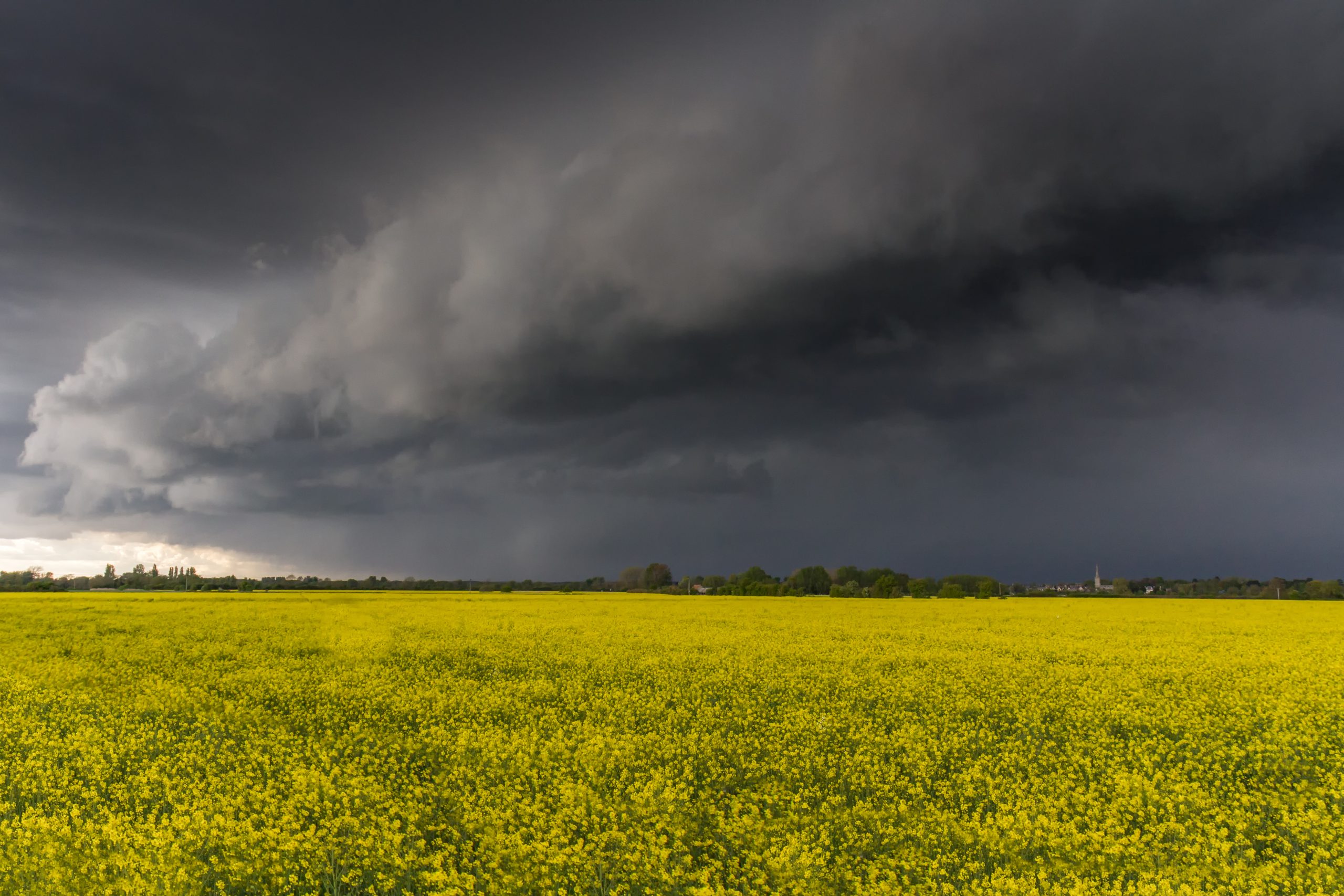
Image: Ian Sherriffs/stock.abode.com
1. Check your flood risk
By using this online map produced by the Environment Agency, you can check whether your property is at risk of flooding from rivers, the sea, surface water, groundwater and reservoirs – https://www.gov.uk/check-long-term-flood-risk. It is important to be aware that if you find that your property is not located in a flood risk area, this does not mean that you may be impacted by flash flooding, as this is often very localised and difficult to predict.
You may be eligible to sign up for the Environment Agency’s Flood Warning Service. This is a free service, which allows those signed up to receive a notification (during the day and at night) when a flood alert or warning is issued for their area. For more information and to sign up, please click here: https://www.gov.uk/get-flood-warnings.
The MET Office Severe Weather Warnings Service can notify you when a weather warning issued for heavy rain in your area. You can download the Met Office App to your smart phone and set up notifications for severe weather warnings at your location. The Met Office weather app can be downloaded here: https://weather.metoffice.gov.uk/weather-app.
On The Flood Hub website’s the ‘Am I at Risk?’ page, we have written a wealth of information which highlights the various ways that you can check your flood risk, as well as information on flood warnings, what they mean and the other alternative triggers that are available. Take a look here: https://thefloodhub.co.uk/am-i-at-risk/.
2. Create or review your flood plan and put together a flood kit
To begin with, you should create a flood plan checklist to reassure yourself that you have implemented as many measure as you can to plan and prepare. These measures can include but are not limited to:
-
-
- Reviewing and checking that your insurance cover includes flooding.
- Creating a flood plan
- Ensuring that you are either signed up to the Environment Agency’s Flood Warning Service or having an alternative trigger and knowing the actions to take when an alert or warning is issued.
- Having a flood kit prepared in advance
- Ensuring your documents are high up, out of reach away from possible floodwater and preferably in waterproof containers.
-
Your flood plan should also contain information on:
-
-
- Important contacts – For example, the Local Authority (information on local resources and evacuation centres), insurance company (for insurance claims), Environment Agency’s Floodline (0345 988 1188) for flood risk advice and support their Incident Hotline for reporting a flood (0800 80 70 60), family, friends and relatives, etc.
- Utility supplies – the location of these and how to turn them off. This should be done before floodwater enters your home.
- An evacuation plan.
-
If you already have a flood plan in place, it’s important to review your flood plan once per year.
Having a pre-prepared flood kit with all your important documents will allow you more time to focus on protecting yourself and your property. Examples of what you could put in your flood kit include:
-
-
- A copy of the latest version of your flood plan
- Warm and waterproof clothing
- Medication
- First aid kit
- Any important documents such as passports, insurance documents, driving licence etc
- Torch
- Pet supplies
- Tinned food and bottled water
-
More information on flood planning can be found on the ‘Household’ page: https://thefloodhub.co.uk/household/ .
3. Install Property Flood Resilience (PFR) and/or carry out check it’s still in good working order
PFR measures can be installed at a property to minimise the damage that floodwater could cause during a flood and if you were unfortunate enough to flood, PFR enables a swifter recovery process and to reduce the amount of time that you could be away from your home or business. PFR is split into two main approaches, flood resistance and flood recoverability:
- Flood resistance
These are measures that are designed to keep water out of a property or significantly decrease the amount of water that can enter. These measures can either be permanent or temporary. Examples of resistance measures include flood doors, flood windows, barriers, non-return valves and smart airbricks or air brick covers.
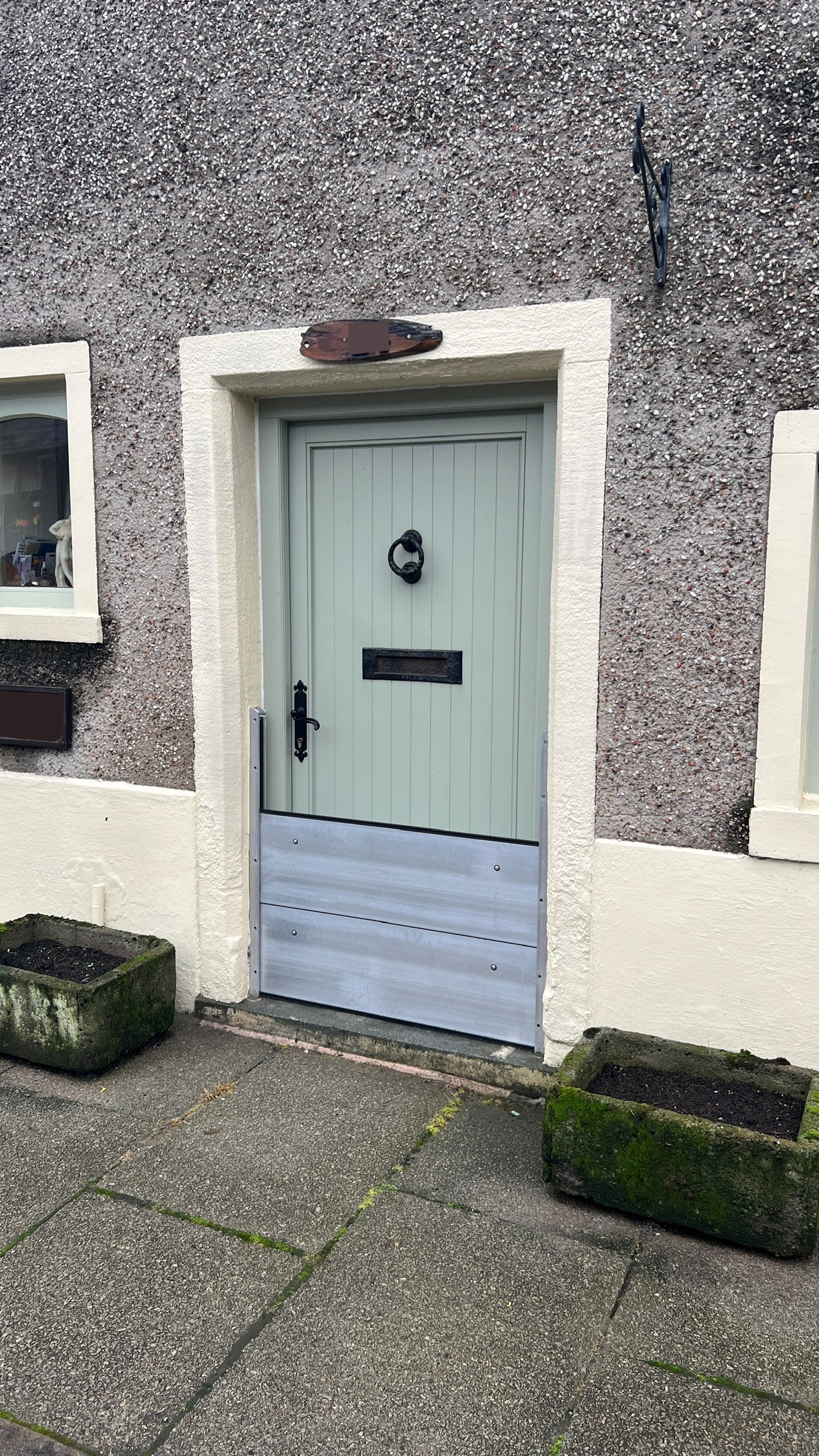
Image: The Flood Hub People
- Flood recoverability
These measures are designed to make the recovery process easier by reducing the potential damage caused by floodwater once it enters a property. Recoverability measures speed up the repair, drying and cleaning processes and as a result, may allow you to return to your property quicker and prevent you from needing to claim on your insurance following a flood. Examples of recoverability measures include raised appliances, kitchens made of water resistant material such as stainless steel, raised electrics, concrete flooring or stone tiles, etc.
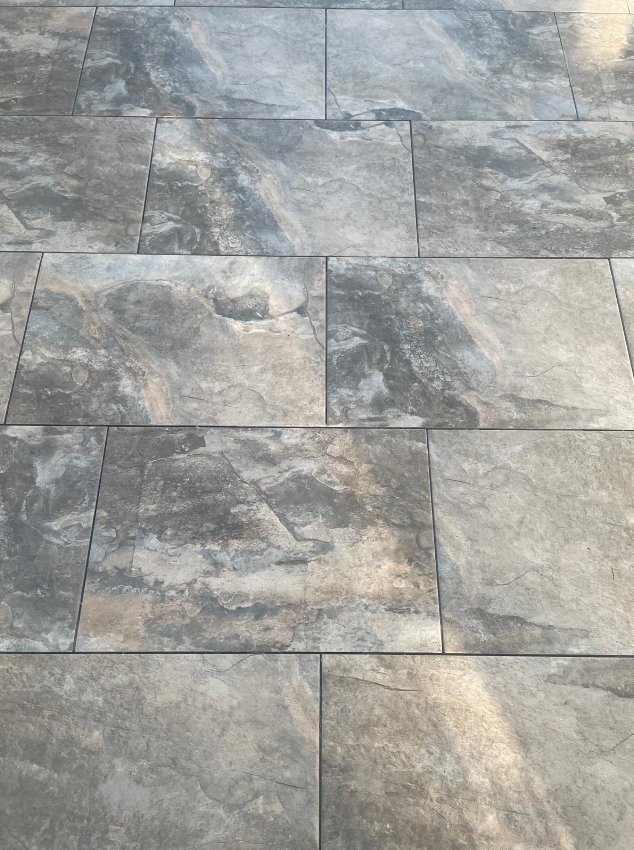
Image: The Flood Hub People
If you already have PFR for your property, it’s important to regularly carry out maintenance checks to ensure they work suitably to protect your property as much as they did when they were first installed.
We have written all of the content about PFR for The Flood Hub website where you can out more about it, the various different products, considerations for installation and the multiple benefits for it: https://thefloodhub.co.uk/pfr/ .
4. Check your insurance
As part of your preparation for the El Niño event, it would also be wise to review your property’s insurance to check that has sufficient flood risk cover, particularly if you live in an area at risk of flooding. There are a number of flood insurance options which we have written about for homeowners on The Flood Hub here: https://thefloodhub.co.uk/household/#section-2 and for Businesses here: https://thefloodhub.co.uk/business/#section-3 . By following the steps listed in this blog, it may be more likely that your property is accepted for flood insurance.
Sources used: BBC, Met Office, World Meteorological Organization, National Ocean Service National Oceanic and Atmospheric Administration, United Nations, The Guardian, Copernicus: Climate Change Service