After a relatively quiet spell through Summer 2025, Storm Floris swept through the country at the start of August. Storm Floris brought unseasonably strong winds and heavy rain, and a reminder that storms should no longer just be associated with the cooler, wetter months.
Summer Storms: a reminder that storms shouldn't only be associated with winter
The naming of storms began in the 2015/16 storm season. In the 2023/24 Storm Season, the UK experienced the most named storms since 2015 in relatively short succession. The North West experienced prolonged rainfall which subsequently caused drains to become overwhelmed, high river levels and unfortunately flooding for many communities. By contrast, the 2024/25 Storm Season looked to follow a similar trend to the previous year by reaching the 5th storm by January 2025, however since then we have been very lucky to enjoy a long period of mostly warm and dry weather, with the occasional wet week, until earlier this month. Storms are more commonly associated with the colder months of Autumn and Winter, however Summer storms do occur and can be just as damaging.
Storm Floris particularly impacted Scotland and Northern Ireland. A low-pressure system like Storm Floris would not be too unusual during Autumn or Winter, however an active jet stream intensified the system across the Atlantic Ocean. The warmer temperatures we’ve experienced recently allows the atmosphere to hold more moisture which increases the risk of much heavier downpours.
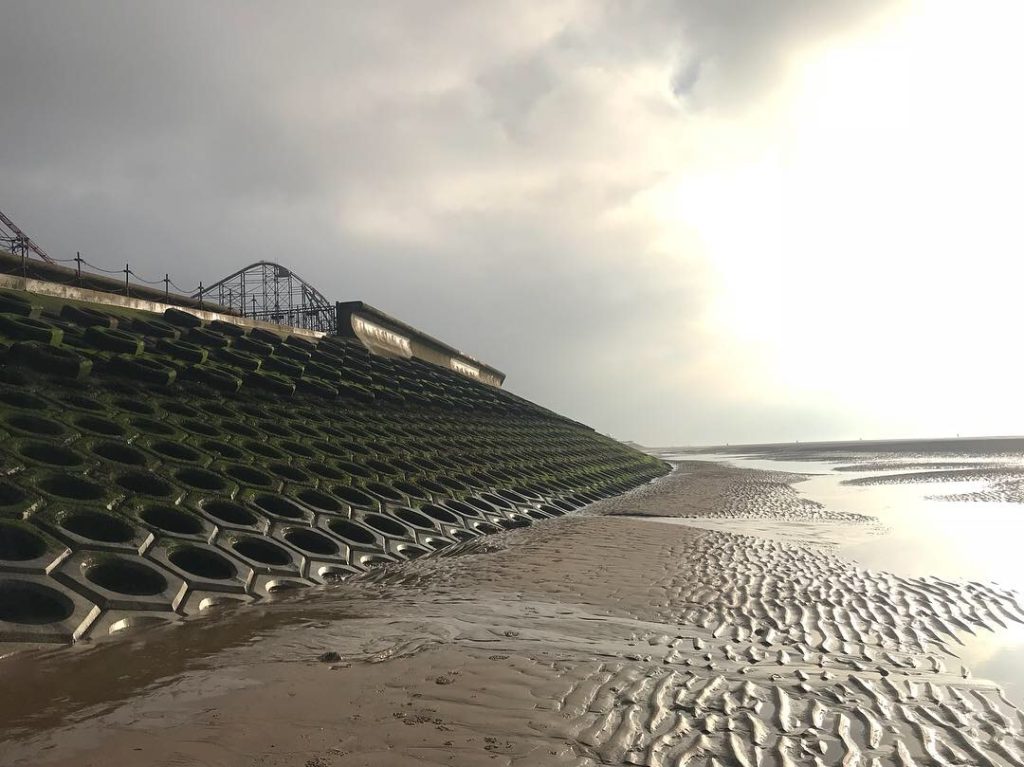
Image: The Flood Hub People
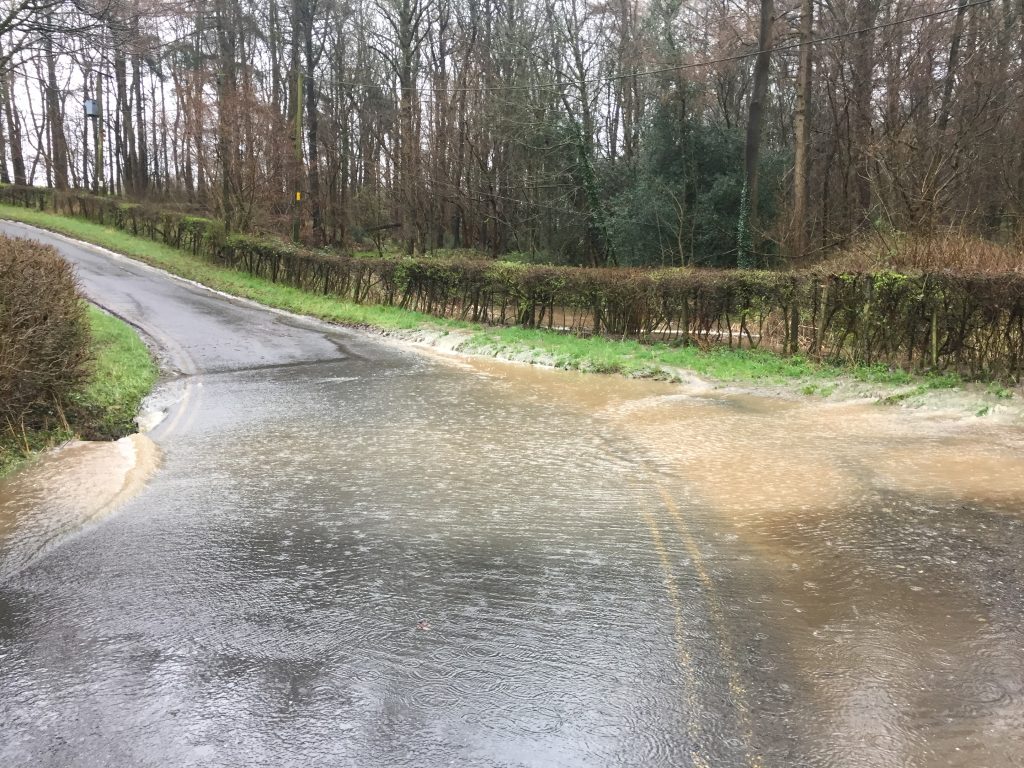
Image: The Flood Hub People
What you can do
You can check whether your property is at risk of flooding by entering your postcode and selecting your address online here: www.gov.uk/check-long-term-flood-risk, or by calling 0345 988 1188 or by type talking on 0345 602 6340 (for the hard of hearing). It is also important to know that if your property is not located in a flood risk area, it doesn’t mean that you won’t be affected by flash flooding because flash flooding is often very localised and difficult to predict.
If you live or work in area at risk of river flooding, it is always worth registering to receive flood warnings. It is a free of charge service, and you can register online here: www.gov.uk/sign-up-for-flood-warnings, or by calling 0345 988 1188.
For properties at risk of surface water flooding, The MET Office Severe Weather Warnings Service provides weather warnings when heavy rainfall is expected. You can download the Met Office App to your smart phone and set up notifications for severe weather warnings at your location. The Met Office weather app can be downloaded here: weather.metoffice.gov.uk/weather-app.
There are many smart phone apps and online tools (including the MET Office app) which use rain radar data and are useful to track localised pockets of heavy rain. Another example is www.ventusky.com/, which is available as a web-based interface or as a downloadable app for iOS and Android.
Plan and Prepare
Check your insurance policy booklet to make sure your home insurance covers flooding and flood damage. Periodically check highway drainage and gullies in your local area to help identify blockages and report these through to your local highways department. There is no statutory obligation on local authorities to provide sandbags when flooding is expected, so having a stock of alternative sandbags (an environmentally friendly and more sustainable alternative to traditional sandbags) may prove useful.
Every year people are unexpectedly caught out with flash flooding and lose possessions stored close to ground level. If you are in a flood risk area, creating a home flood plan will help you prepare. The Flood Hub’s ‘Household Flood Planning Toolkit’ contains all the resources you need as an introduction to becoming flood resilient. You can browse through the resources, download them or print them off to build your own toolkit here: https://thefloodhub.co.uk/household-flood-planning-toolkit/.