A flood action group brings together committed volunteers who represent their wider community. They act as a unified voice for their area to raise issues and queries, share ideas and work with Risk Management Authorities (RMAs) to tackle local flood risk issues and manage the impact of flooding.
The benefits of forming a Flood Action Group
Flood action groups deliver a wide range of benefits, from improved preparedness to greater resilience against flooding and other emergencies. A flood group can choose to operate informally, or as a constituted group, but each group decides their own aims, objectives, responsibilities and member roles.
The benefits include:
Raising awareness: Groups share information with the wider community to increase understanding of flood risk and improve resilience to future events. This might mean encouraging residents to sign up to the Environment Agency Flood Alert and Warning Service, sharing advice on flood insurance options or explaining how to report blocked highway gullies.
Addressing flood risk issues: Groups can flag local issues that contribute to flood risk directly with RMAs to help find appropriate solutions. Common concerns include blocked highway gullies, blocked trash screens on culverts, watercourse maintenance and queries around watercourse ownership and responsibility.
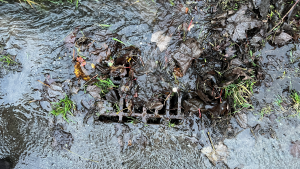
Image: The Flood Hub People
Assisting vulnerable members of the community: Groups can designate Flood Warden roles to appropriate members who can offer extra support to those who might need it during a flood event. Such support might include door knocking to notify residents of a flood alert or warning, or helping deploy Property Flood Resilience (PFR) measures.
Community flood plan: a community flood plan coordinates a structured response before, during and after a flood, allowing groups to act efficiently when it matters most. These skills are transferrable and can support the community during other emergencies or severe weather events.
Taking action when flooding is expected: When flooding is expected, groups can warn and inform residents, support those who need extra assistance, relay communications between the community, RMAs and responders and help manage the handover to emergency services.
Building relationships with RMAs: Working closely with RMAs allows groups to address issues collectively and find appropriate solutions. This collaboration helps integrate community-led plans into wider flood risk management strategies, incorporating valuable knowledge and experiences from local residents.
Obtaining funding: Groups that adopt a constitution become eligible to apply for grant funding which they can use to source communal flood resilience equipment like pump systems, barriers or watercourse telemetry schemes.
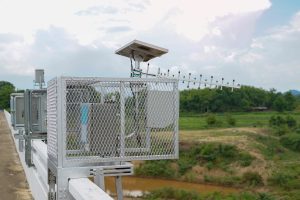
Image: Aoy_Charin/stock.adobe.com.
We can provide support to communities looking to form a Flood Action Group or offer guidance to groups looking to progress further. If your community would like more support, complete the contact us form here: https://thefloodhubpeople.co.uk/contact-us/