Forecasters have highlighted that this years’ (2026) particularly strong El Niño may increase the risk of wetter, stormier and milder conditions across the UK during autumn and winter. With this forecast in mind, planning and preparing is more important than ever.
Flood Ready: 10 Actions to Prepare for a Wetter, Stormier Season
While no one can prevent extreme weather, taking action before it arrives can help manage the risk of flooding and mitigate its effects.
The autumn / winter season brings a combination of factors which can naturally increase flood risk. These are:
- Increased rainfall levels during these seasons
- Heavy rain falling on already saturated ground
- Falling leaves blocking highway gullies, culverts and trash screens
Strong winds causing branches or litter to enter drainage systems which then reduces capacity
10 Actions to Prepare
1. Know your flood risk
Check whether your property is at risk from flooding using the Environment Agency Long Term Flood Risk Map, which shows the potential extent of flooding your property may be at risk of from multiple sources. You can access the map here.
2. Sign up for flood warnings
If your area is eligible, sign up for the Environment Agency’s free Flood Alert and Warning Service which provides valuable warning time to prepare ahead. Receiving a flood alert or warning allows you to move important belongings, contact vulnerable neighbours, deploy property flood resilience measures and put flood plans into action before floodwater arrives. For more information and to sign up, click here.
If your area isn’t eligible for the Environment Agency service, there are many alternative triggers which may be useful. These are: Met Office weather warnings, river and sea monitoring, news and radio stations, social media or private flood alarms on watercourses.
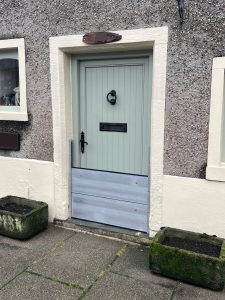
Image: The Flood Hub People
3. Create or review your flood plan
A flood plan should include important contact details, arrangements for family members and pets, the location of utility shut-off points, and the actions you would take if flooding occurred. Having an up-to-date and correct flood plan ensures you can act efficiently if a flood occurs. You can access The Flood Hub’s example household flood plan here, and an example business flood plan here.
4. Check your flood kit
Make sure your flood kit is fully stocked and includes items for the colder weather. Alongside essentials like important documents, tinned food and bottled water, consider including a battery-powered phone charger, torch and spare batteries, blankets and candles and matches. Keeping these items easily accessible can help you respond more quickly if flooding is expected.
5. Keep drains, gullies, gutters and downpipes clear
Regularly remove leaves, silt and debris from highway gullies, drains, guttering and downpipes where it is safe to do so. Debris and leaves can easily build up over time, and a blocked drain cannot efficiently drain properly during heavy rainfall. Blocked guttering and downpipes can cause water to back up and overflow, potentially leading to damp, damage and increased flood risk.
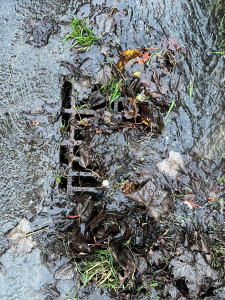
Image: The Flood Hub People
6. Check Property Flood Resilience (PFR) measures
Inspect and practice deploying any barriers, airbrick covers or other PFR measures to ensure they are in sound condition and that you know how to install them correctly. You should ensure any components remain intact and free from damage and replace any worn seals, fixings or parts if needed.
7. Carry out riparian responsibilities
A ‘riparian owner’ is somebody who has a watercourse running through, beneath or adjacent to their land. If the watercourse forms the boundary with your land, you will usually own up to the centre of the channel. You must routinely check for any blockages like fallen branches, collapsed banks or other obstructions that could restrict flow and remove, if safe to do so, or report to the relevant Risk Management Authority.
8. Report issues to the relevant Risk Management Authority early
Blocked highway drains, damaged flood defences or significant obstructions in watercourses should be reported to the relevant authority before severe weather arrives.
9. Inspect trash screens on local watercourses
Trash screens on culverts prevent objects like branches, trolleys or bicycles entering the watercourse where they could form part of a blockage if left. Even smaller items like leaves, plastic bottles or crisp packets against a trash screen can significantly restrict the flow of water through. Carrying out routine inspections and report any blocked trash screens to the relevant Risk Management Authority.

Image: The Flood Hub People
10. Secure loose items
Storms which bring strong winds can carry outdoor furniture, trampolines, bins and other debris that may obstruct drainage systems or watercourses.

Image: The Flood Hub People
El Nino
The relationship between El Niño and UK weather is complex and does not necessarily guarantee that there will be flooding. There are several other factors which influence our weather and flood risk. However, forecasts suggest there is an increased potential for wetter and stormier conditions associated with El Niño.
By carrying out routine maintenance and taking a proactive approach during autumn / winter, communities can help ensure drainage systems and watercourses work as intended when they are needed most.
If you’d like to learn more about El Niño, visit our blog here.